
Men's Health Nutrition Insights
Comprehensive guides and expert articles on nutrition, vitality, and wellness for men. Explore our curated collection of evidence-based nutritional knowledge.
The information on this site is for educational purposes only and does not constitute medical advice. Always consult a qualified healthcare professional before making health decisions.
Browse by Category
Featured Articles & Guides

Optimal Protein Intake for Men's Muscle Development
Learn how much protein men need daily, the best sources for muscle building, timing strategies, and how to integrate protein into every meal for maximum results.

Essential Vitamins and Minerals Every Man Should Know About
Discover the critical micronutrients for male vitality including zinc, magnesium, vitamin D, and B-complex vitamins, their roles in energy and immune function.

Smart Carbohydrate Timing for Sustained Energy Throughout the Day
Understand when to eat carbohydrates, which types fuel workouts best, how to avoid afternoon energy crashes, and strategies for stable blood glucose levels.

Weekly Meal Prep Guide for Busy Men and Professionals
Practical meal planning strategies, batch cooking techniques, container storage tips, and simple recipes designed for men with limited time but high nutritional goals.

Hydration and Electrolyte Balance for Active Men
Learn how much water men need daily, the role of electrolytes in performance, strategies for proper hydration before and after workouts, and signs of dehydration.

Heart-Healthy Fats: The Right Choices for Men's Cardiovascular Nutrition
Explore omega-3 and omega-6 fatty acids, sources of healthy fats, how to balance fat intake, and nutritional strategies to support heart and brain function.
In-Depth Guides
Comprehensive nutritional guides covering specific health goals, dietary approaches, and lifestyle modifications backed by current nutritional science.
Explore GuidesEvidence-Based Research
Articles reviewing the latest nutritional research, explaining scientific findings, and translating complex studies into practical advice for men's health.
Nutrition Q&A
Answers to frequently asked questions about men's nutrition, supplement safety, dietary choices, and how to optimize nutrition for individual goals.
View FAQsStay Updated with Nutrition Insights
Subscribe to receive our latest articles, expert tips, and nutritional guidance delivered to your inbox.
We respect your privacy. Unsubscribe anytime.
More Expert Articles
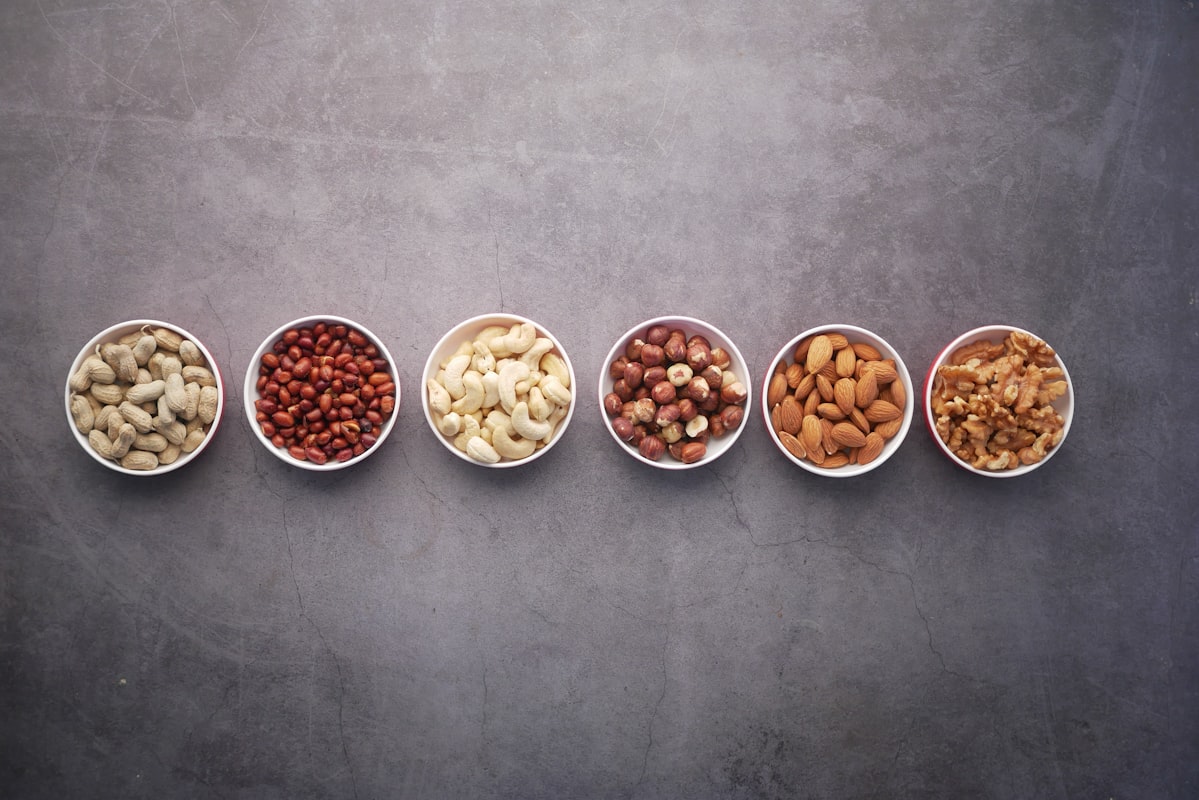
The Nutrition-Sleep Connection: Eating Right for Better Rest
How nutritional choices affect sleep quality, foods that promote better rest, timing of meals before bed, and supplements for sleep support.

Post-Workout Nutrition: Optimizing Recovery After Training
The recovery window, ideal post-workout meals, protein and carbohydrate ratios, hydration strategies, and foods that accelerate muscle repair.

Gut Health and Fiber: Essential for Men's Overall Nutrition
The importance of digestive health, fiber intake recommendations, prebiotic and probiotic foods, and how gut health affects nutrient absorption and energy.
Common Questions About Men's Nutrition
Most nutritionists recommend that men consume approximately 0.8 to 1.0 grams of protein per kilogram of body weight daily. For a 75-kilogram man, this equals 60 to 75 grams per day. However, active men or those focused on muscle building may benefit from 1.2 to 2.2 grams per kilogram of body weight. The amount also depends on your specific goals, activity level, age, and metabolic rate. Distributing protein evenly across meals throughout the day supports better muscle protein synthesis and satiety.
Whether multivitamins are necessary depends on your current diet and lifestyle. A well-balanced diet rich in fruits, vegetables, whole grains, and protein typically provides most essential nutrients. However, certain men may benefit from supplementation including those with restricted diets, specific health concerns, high physical activity levels, or those living in regions with limited food diversity. It is advisable to assess your individual nutrient gaps rather than assuming you need a comprehensive multivitamin. Consulting with a nutritionist can help identify specific deficiencies you might have.
An ideal pre-workout meal for men should contain carbohydrates for energy and moderate protein for muscle support, eaten 1.5 to 3 hours before exercise. Good examples include oatmeal with banana and almond butter, a turkey sandwich on whole wheat bread, or Greek yogurt with granola and berries. The meal should be easily digestible to avoid discomfort during training. Timing is important—heavier meals need more time to digest while lighter snacks can be consumed closer to your workout. Individual preferences and digestive tolerance vary, so experimenting to find what works best for your body is recommended.
Hydration is critical for male athletic performance and overall health. Even mild dehydration of 1 to 2 percent of body weight can impair exercise performance, reduce strength, and affect focus. Men typically need 2.5 to 3.7 liters of water daily depending on activity level and climate, with higher needs on training days. During exercise lasting over 60 minutes, consuming fluid containing carbohydrates and electrolytes helps maintain performance and prevent fatigue. Individual hydration needs vary based on sweat rate, which can be estimated through weighing yourself before and after exercise.
Absolutely. Nutrition significantly impacts cognitive function, mood, and mental clarity. The brain requires consistent energy from glucose, omega-3 fatty acids for neural function, B vitamins for neurotransmitter production, and antioxidants for protection. Foods like fatty fish, nuts, berries, whole grains, and leafy greens support mental performance. Blood sugar stability through balanced meals with protein, healthy fats, and complex carbohydrates prevents afternoon energy crashes and brain fog. Staying well-hydrated is equally important as even mild dehydration can impair concentration and cognitive abilities.
Ready to Optimize Your Nutrition?
Explore our comprehensive guides, read expert articles, and join thousands of men improving their health through better nutrition decisions.